The Evolution of Rendering Software in Architecture and Interior Design
Architecture and interior design experienced a significant shift with the introduction of easy-to-use and on line rendering software. This technology allowed professionals (and non-professionals looking for an “easy” career) to create quick, in-house renders without needing deep technical skills. The ability to generate presentation-ready images with just a few clicks promised speed and convenience, revolutionizing visual creation. However, the limitations soon became apparent—while these tools made rendering accessible, the quality of the results often didn’t meet the demands of high-stakes presentations or discerning clients.
The Limitations of DIY Rendering: Quality Over Speed
As architects, interior designers and new wave of virtual assistants embraced these new tools, it became clear that producing a render was only half the battle. The real challenge was turning those basic images into something captivating and professional. The issue wasn’t the software itself; it was the lack of expertise in visual storytelling, composition, and design principles. Despite having powerful tools at their disposal, many professionals found that the quality of their presentations still required the trained eye of a seasoned visual artist.
AI in Architectural and Interior Design Visualization: A Familiar Pattern
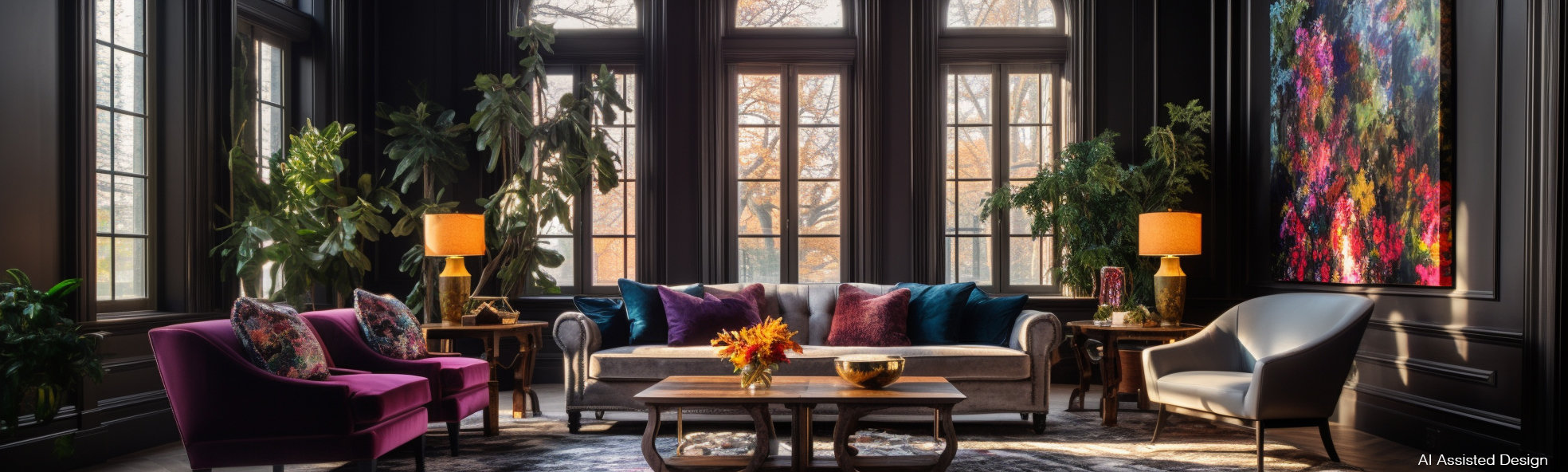
Today, a similar trend is emerging with the rise of AI tools in architectural and interior design visualization. AI can certainly generate images, but without the guidance of a skilled artist, these images often lack depth, coherence, and the ability to convey the true potential of a space. The images may be impressive on the surface, but they fall short of capturing the essence and soul of the design.
Why AI Isn’t a Magic Bullet for Architecture and Interior Design
Just like the early days of rendering software, AI is not a one-size-fits-all solution. It’s a powerful tool, but it remains just that—a tool. The real value in architectural and interior design visualization comes from the art direction, narrative, and design expertise that transforms a render into a compelling visual story. This is where the expertise of skilled architects and designers truly makes a difference.
The Irreplaceable Value of Visual Design and Art Direction
For professionals in architecture and interior design, it’s important to recognize that the tools you use are only as effective as your ability to use them creatively. Crafting a vision that resonates with clients and captures the full potential of a space is what sets the work of a skilled professional apart from automated AI outputs. Whether creating architectural renders or interior design visuals, the human touch in design is irreplaceable.
The Future of Architectural and Interior Design Visualization: Expertise Matters
To aspiring 3D artists and designers, the message is clear: continue honing your visual design and art direction skills. These are the areas where your expertise will remain crucial, even as AI and other tools evolve. For those in the industry, whether an architect, designer, or developer, remember that it’s not just about creating an image—it’s about the intention, emotion, and story behind it.
Embracing Technology While Upholding Quality in Design
As we integrate AI into architecture and interior design, it’s important to remember that quality and creativity still matter. The tools may change, but the importance of a trained eye, thoughtful design, and compelling storytelling remains constant. In the end, it’s the artistry in visualization that transforms spaces, tells stories, and leaves a lasting impact on clients and users alike.

Annilee B. Waterman is a nationally Certified Professional Building Designer (CPBD) and Registered Interior Designer (NCIDQ) with over 25 years of experience in residential design and historic renovation. As an IDS Designer of the Year in Digital Rendering, she provides an elite level of technical clarity for independent builds and self-managed construction projects.
Annilee specializes in bridging the gap between complex inspiration and buildable reality. By leveraging advanced 3D modeling, Chief Architect mastery, and AI-integrated workflows, she delivers professional-grade plan sets and immersive visualizations that protect her clients’ investments. Her background in Fine Arts and Film Set Design informs a unique, cinematic approach to Storybook and character-rich architecture, ensuring every project is as beautiful as it is technically sound. A seasoned educator and industry consultant, she acts as a high-level remote partner for homeowners, architects, and design firms globally.